
Breast Cancer-Related Lymphedema:
Understanding, Prevention, and Treatment
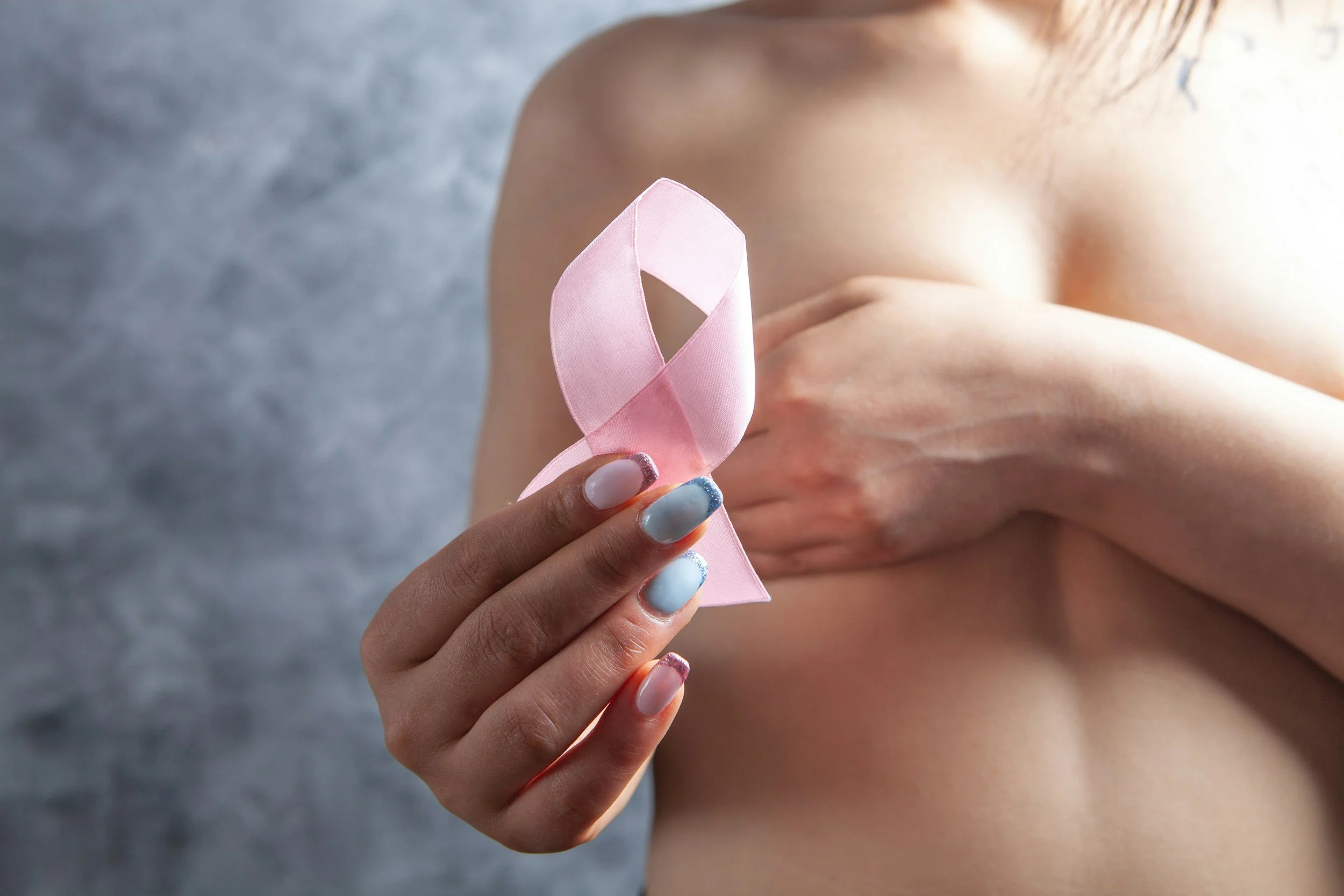
What Is Breast Cancer-Related Lymphedema?
Breast cancer-related lymphedema (BCRL) is a condition that causes swelling in the arm, hand, breast, chest wall, or underarm area following breast cancer treatment. It occurs when the lymphatic system, which helps maintain fluid balance and supports the body's immune function, is damaged or disrupted. This can lead to a buildup of lymph fluid in the affected tissues.
Lymphedema may develop after surgery involving lymph node removal, radiation therapy, or other breast cancer treatments that affect lymphatic drainage. It can appear shortly after treatment or months to years later. Although there is currently no cure, early identification and appropriate management can help control symptoms, improve comfort, and support quality of life.
Signs and Symptoms
Recognizing the early signs of lymphedema is important. Symptoms may include:
Swelling in the arm, hand, breast, or chest area.
A feeling of heaviness, tightness, or fullness in the affected area.
Skin that feels tight or appears thicker.
Reduced flexibility or difficulty moving the arm or shoulder.
Aching, discomfort, or a sensation of pressure.
Jewelry, watches, or clothing that suddenly feels tighter on one side.
Symptoms can be subtle at first and may fluctuate throughout the day. Anyone experiencing new or persistent swelling after breast cancer treatment should consult a healthcare professional for assessment.
Prevention and Risk Reduction
While not all cases of lymphedema can be prevented, certain strategies may help reduce complications and promote lymphatic health. These include maintaining regular physical activity, gradually returning to exercise after treatment, caring for the skin to prevent infection, maintaining a healthy weight, and following individualized guidance from the healthcare team. Exercise, including appropriately progressed strength training, is generally safe and beneficial when introduced gradually.
Patients should also be aware of changes in swelling, skin condition, or arm function and report concerns promptly. Risk-reduction recommendations should be tailored to each person's medical history and treatment.
Treatment and Management
Effective lymphedema management often involves a combination of approaches based on the individual's symptoms and needs. Complete decongestive therapy (CDT), provided by a trained lymphedema therapist, may include:
Compression therapy: Specialized garments or bandaging to help control swelling.
Manual lymphatic drainage: A gentle, specialized technique designed to support lymph fluid movement when appropriate.
Therapeutic exercise: Individualized movement and strengthening programs that support mobility and function.
Skin care: Daily care to reduce dryness, skin breakdown, and infection risk.
Self-management education: Learning practical techniques and routines to help manage symptoms at home.
Some patients may benefit from additional treatments, including pneumatic compression devices or surgical interventions, depending on the severity and nature of their condition.
Living Well With Lymphedema
A diagnosis of breast cancer-related lymphedema does not mean you have to stop living an active, fulfilling life. With early recognition, appropriate treatment, and ongoing self-management, many people successfully manage their symptoms and maintain their daily activities.
Working with a qualified lymphedema therapist can help you develop a personalized plan that addresses swelling, comfort, strength, mobility, and long-term wellness.
If you notice sudden swelling, redness, warmth, increasing pain, or fever, seek prompt medical evaluation, as these may indicate an infection or another condition requiring urgent treatment.
This information is intended for educational purposes only and is not a substitute for individualized medical advice, diagnosis, or treatment.